The kitchen is the one room in the house that gets touched every single day, which is exactly why it’s worth being selective about what lives in it. A drawer full of single-use gadgets doesn’t make cooking easier — it just makes the drawer harder to open. Over the past couple of years we’ve slowly pared our own kitchen down to a short list of pieces that get used constantly, look good sitting out on the counter, and tend to last long enough to become the kind of thing you hand down rather than replace.
Here’s what’s earned a permanent spot in ours — the kind of everyday essentials that are as nice to look at as they are to use.
A Pour-Over Coffee Set
There’s something genuinely calming about making coffee slowly. A simple ceramic or glass pour-over set — dripper, carafe, and a slim-neck kettle — turns the first few minutes of the morning into a small ritual instead of a button you press on autopilot. Beyond the ritual of it, pour-over coffee just tastes better, and a well-made dripper in stoneware or matte ceramic is genuinely beautiful sitting on an open shelf, which a drip machine has never managed to be.
Look for a dripper with a wide base and a good flow rate, a carafe with clean lines and no unnecessary branding, and a kettle with a thin gooseneck spout if you want real control over your pour. It’s a small investment that changes a daily habit into something worth slowing down for.
Wooden Cutting Boards, More Than One
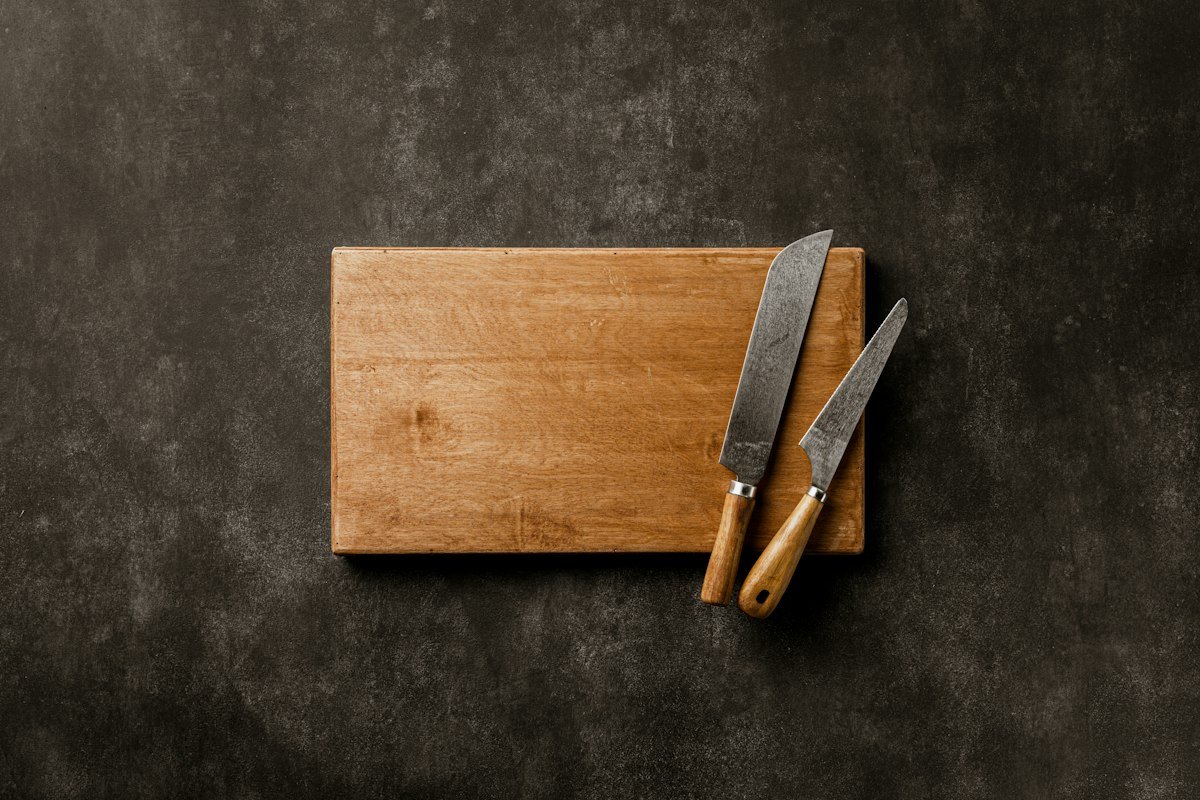
A good wooden board does more work than almost anything else in the kitchen — prep surface, serving board, the thing you set a warm loaf of bread on before slicing. We keep two: a larger end-grain board for everyday chopping, which is gentler on knife edges and more forgiving over time, and a smaller edge-grain board for quick jobs and serving cheese or fruit at the table.
Walnut and maple both age beautifully with a little oil every few weeks, developing a deeper color that plastic and composite boards simply can’t offer. Lean them against the backsplash when they’re not in use and they double as quiet counter decor.
Stoneware for Everyday Eating
Matching china for special occasions is lovely, but the dishes that matter most are the ones you eat off every day. A set of stoneware in a soft, warm glaze — think sand, oat, or a muted sage — works for breakfast, dinner, and everything in between, and looks intentional even stacked in an open cabinet.
We’d rather have eight pieces we actually love than twenty-four we’re indifferent to. If you’re building a set slowly, start with dinner plates and a wide, shallow bowl — the two pieces that get used for nearly every meal — before filling in the rest.
What to Look For in Stoneware
- A reactive glaze, which means no two pieces are ever perfectly identical — a nice reminder that these are made, not mass-stamped
- Enough weight to feel substantial without being heavy to lift
- A neutral base tone that won’t fight with whatever you’re cooking
- Oven and dishwasher safe, because beautiful things should still be practical
Glass Jars for Everything Dry
Nothing makes a pantry feel more chaotic than a shelf of mismatched bags, half-torn boxes, and product labels shouting at you every time you open the cabinet. Transferring flour, rice, oats, pasta, and beans into a matching set of clear glass jars is one of the simplest changes that makes the whole kitchen feel more composed — and it has the added benefit of keeping everything fresher for longer.
Choose jars with airtight clamp lids in a consistent size where possible, and don’t worry about labeling them perfectly — the visual repetition of the glass itself is usually enough to make a shelf feel calm.
A Simple Linen Apron and Tea Towels
It’s easy to overlook textiles in the kitchen, but a linen apron and a small stack of linen tea towels do more to soften the room than most decor. Linen gets better with washing — softer, more textured, more forgiving of the occasional stain — and a neutral, unbleached tone works with any kitchen palette. Hang a towel over the oven handle and it becomes a small, quiet piece of styling that also happens to be useful.
Buy Fewer Things, More Deliberately
None of this is about buying more — it’s really about buying better and buying less. A kitchen with five well-chosen tools you reach for constantly will always feel more put-together than one with fifty tools you can’t remember owning. Before adding something new, ask whether it replaces three things you already own or just adds a fourth. The essentials worth keeping are almost always the ones that answer that question honestly.